
Description
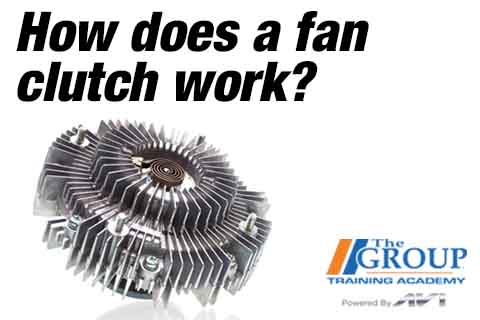
Engine cooling has come a long way, and thermostatic (viscous) clutch fans were an important step before electric fans became standard. Traditional belt-driven fans spun constantly, wasting power and fuel even when full cooling wasn’t needed. Clutch fans solved this by using a fluid-filled, temperature-controlled clutch—activated by a bimetallic spring or electronic control—to increase or decrease fan speed based on engine temperature. This improved warm-up time, reduced engine drag, and boosted fuel economy. But when a clutch fan wears out, it can cause overheating, weak A/C performance, or reduced engine power. Because proper testing requires specialized equipment and even minor speed loss affects cooling, replacing a high-mileage or failing clutch fan is a smart preventive fix. Keep your customers’ engines running cooler, stronger, and more efficiently with a quality replacement clutch fan.